Across the five-year programme, Kūmānu delivered:
• 6,477 fish passage assessments
• 1,021 barriers remediated
• 25,900 project hours
• 14 people trained
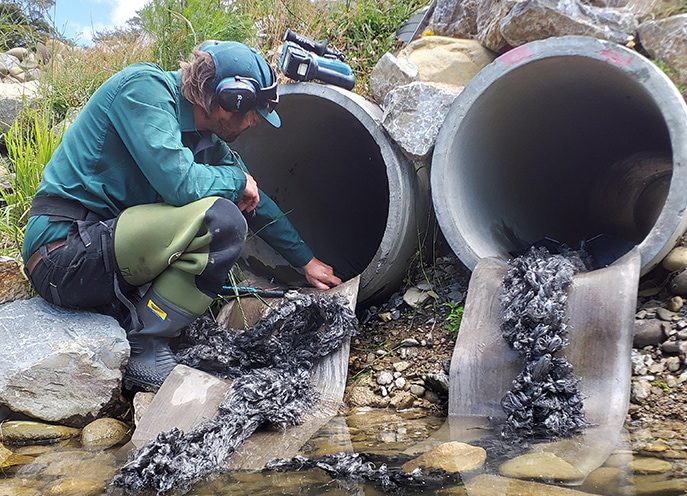
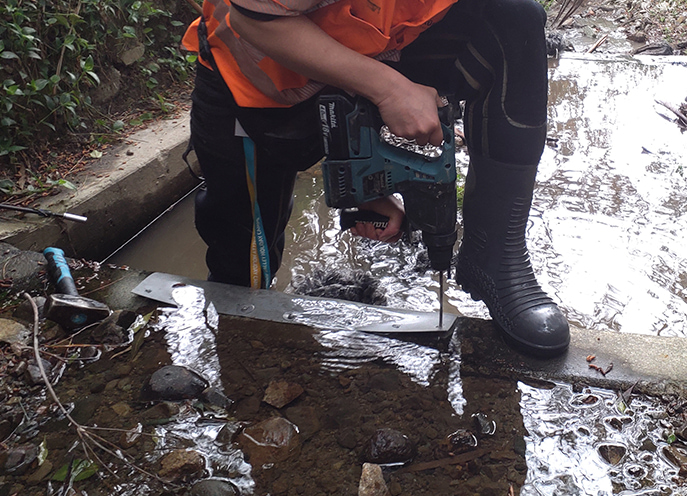
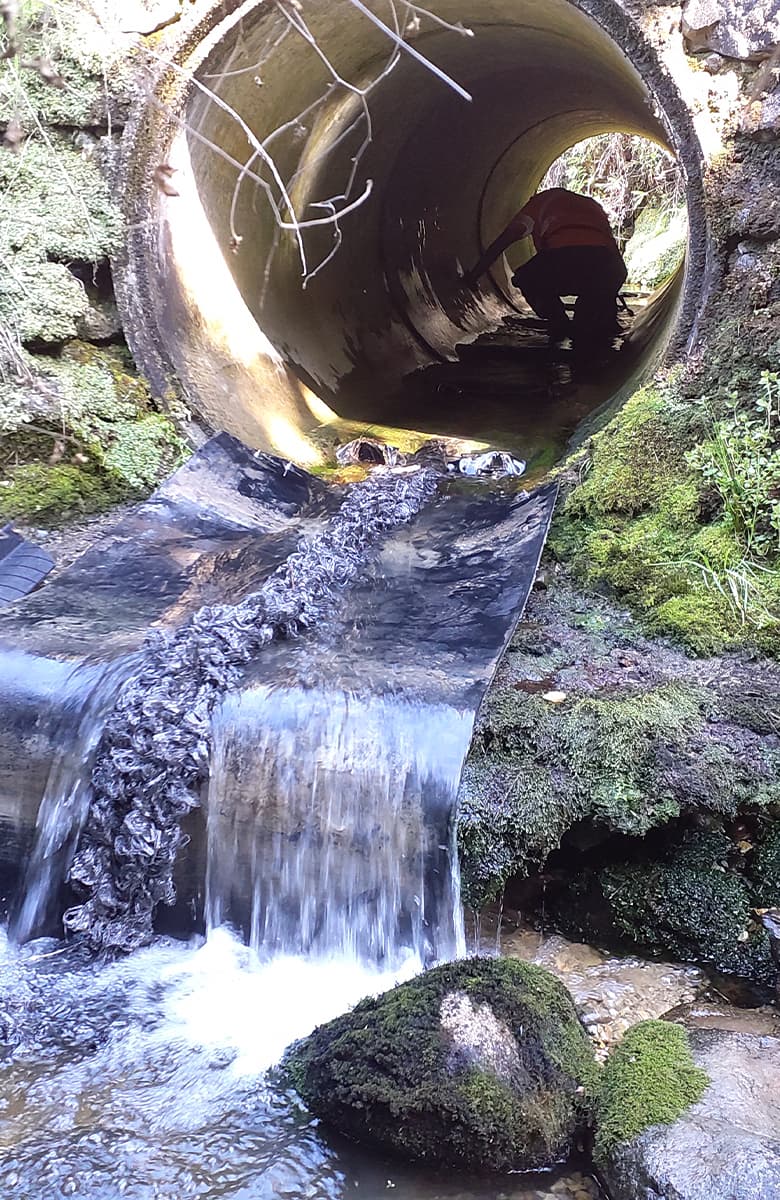
At many sites, practical improvements included installing mussel spat rope, rubber aprons or flexible baffles to help fish move through difficult structures. These are not always large or highly visible interventions, but they can make a real difference in helping reconnect freshwater habitats.
Just as important as the technical work was the way the team worked with people. Many sites were on or near private land, so the project relied on careful communication, trust and respect for landowners, property, safety and the environment. That approach helped the team cover a wide geographic area while maintaining positive relationships across local communities.
The project was strengthened through collaboration with Ngā Iwi o Te Tauihu o Te Waka a Māui, Tasman District Council, and technical partners including Olleycology Ltd, ATS Environmental, Cawthron Institute, Seamless and NIWA.
The information gathered through the project will continue to support freshwater restoration and catchment planning across Tasman, giving councils, iwi, landowners, catchment groups and community-led projects better information for future work.
For Kūmānu, this project shows the value of skilled people doing practical environmental work with care. It brought together field knowledge, technical capability, local relationships and a commitment to healthier waterways.
Small improvements across a waterway network can add up to meaningful change for native fish, freshwater ecosystems and the communities connected to them.